

Private jet maintenance is more than just comfort and aesthetics: it’s essential to ensure safety, preserve performance and maintain the aircraft’s value. A rigorous maintenance program, right from the outset, anticipates unforeseen events and ensures the longevity of your private jet, while complying with the strictest aeronautical standards.

Why is regular private jet maintenance essential?
First and foremost, passenger safety is directly linked to the quality of private jet maintenance. A rigorous maintenance program enables potential problems to be detected and corrected before they become critical. In fact, civil aviation authorities impose very strict regulations on private jet maintenance. Every item checked on a regular basis contributes to incident-free flights.
The financial aspect is also a major motivation. Neglecting private jet maintenance inevitably leads to more costly repairs in the future. Regular private jet maintenance extends the life of the aircraft, while preserving its market value. Owners who give priority to private jet maintenance generally obtain higher resale prices for their jets.


Accordingly, aircraft manufacturers have established a precise private jet maintenance schedule, consisting of several levels of inspection:
- Level A maintenance: approximately every month or 500 flight hours
- Level B maintenance: approximately every 3 months
- Level C maintenance: every 12-18 months
- Level D maintenance: every 4-5 years, also known as a “heavy maintenance visit”.
These scheduled checks are an integral part of private jet maintenance, guaranteeing optimum performance, greater reliability and improved flight availability.
The growing complexity of avionics systems calls for rigorous technical monitoring. Private jet maintenance should be seen as an investment in safety, to ensure compliance with standards and avoid penalties and fines.
Best practices for efficient private jet maintenance
Optimizing the maintenance of a private jet requires a methodical, proactive approach. The key: a precise maintenance schedule, based on manufacturer recommendations and regulations.
Quick pre-flight inspections before each take-off help detect any anomalies. In addition, continuous surveillance using monitoring tools helps to anticipate malfunctions.
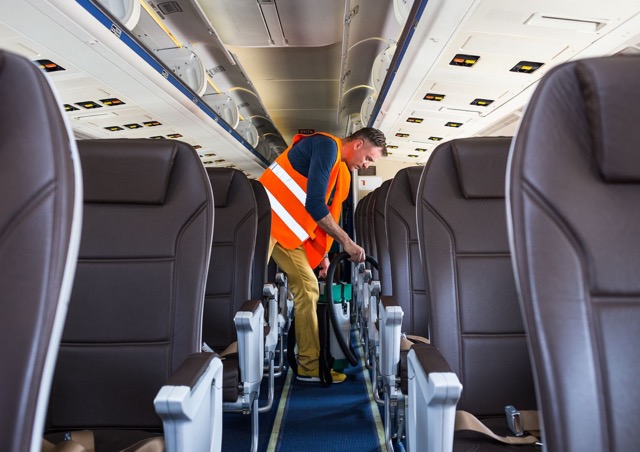
Regular cleaning protects the aircraft’s surfaces and integrity. The intervention of certified technicians (M1/M2) guarantees maintenance in compliance with standards.
The adoption of lean methods (zero inventory, zero lead time, zero defects) and the use of predictive maintenance extend service life and reduce costs over the long term.

Private jet maintenance: risks and costs of poor follow-up
Neglecting the maintenance of a private jet entails major risks, both in terms of safety and finances.
Inadequate maintenance increases the risk of in-flight incidents, putting passengers and crew at risk. Serious breakdowns due to uncontrolled components can also lead to costly legal action.
Financially, emergency repairs cost up to four times more than preventive maintenance. What’s more, a poorly maintained jet can lose 15-30% of its resale value, representing a significant loss of earnings.
Unplanned grounding (AOG – Aircraft On Ground) also entails substantial additional costs:
- Rental costs for a replacement aircraft
- Contractual penalties for cancelled flights
- Accommodation and transport costs for stranded passengers
- Logistical surcharges for urgently needed spare parts
In addition, insurance companies impose higher premiums on owners who neglect to maintain their jet. In extreme cases, coverage may even be denied, exposing the owner to unlimited financial risk.
Last but not least, failure to comply with regulatory requirements can result in significant administrative sanctions: fines, temporary suspension of operation, or even permanent withdrawal of the certificate of airworthiness. In addition to their direct cost, these sanctions can permanently compromise the reputation of a private aviation company.

Conclusion
Maintaining a private jet is much more than an obligation: it’s a strategic investment to guarantee safety, performance and long-term value. Although the cost may seem high, it is far lower than the unforeseen expenses and risks associated with breakdowns. By following a rigorous maintenance schedule and calling in certified technicians, you can preserve the value of your equipment and avoid unpleasant surprises.
Predictive maintenance, thanks to modern monitoring and analysis tools, also offers lasting budget control and optimum reliability. A responsible owner sees maintenance not as a constraint, but as an essential guarantee of peace of mind and longevity for his investment.